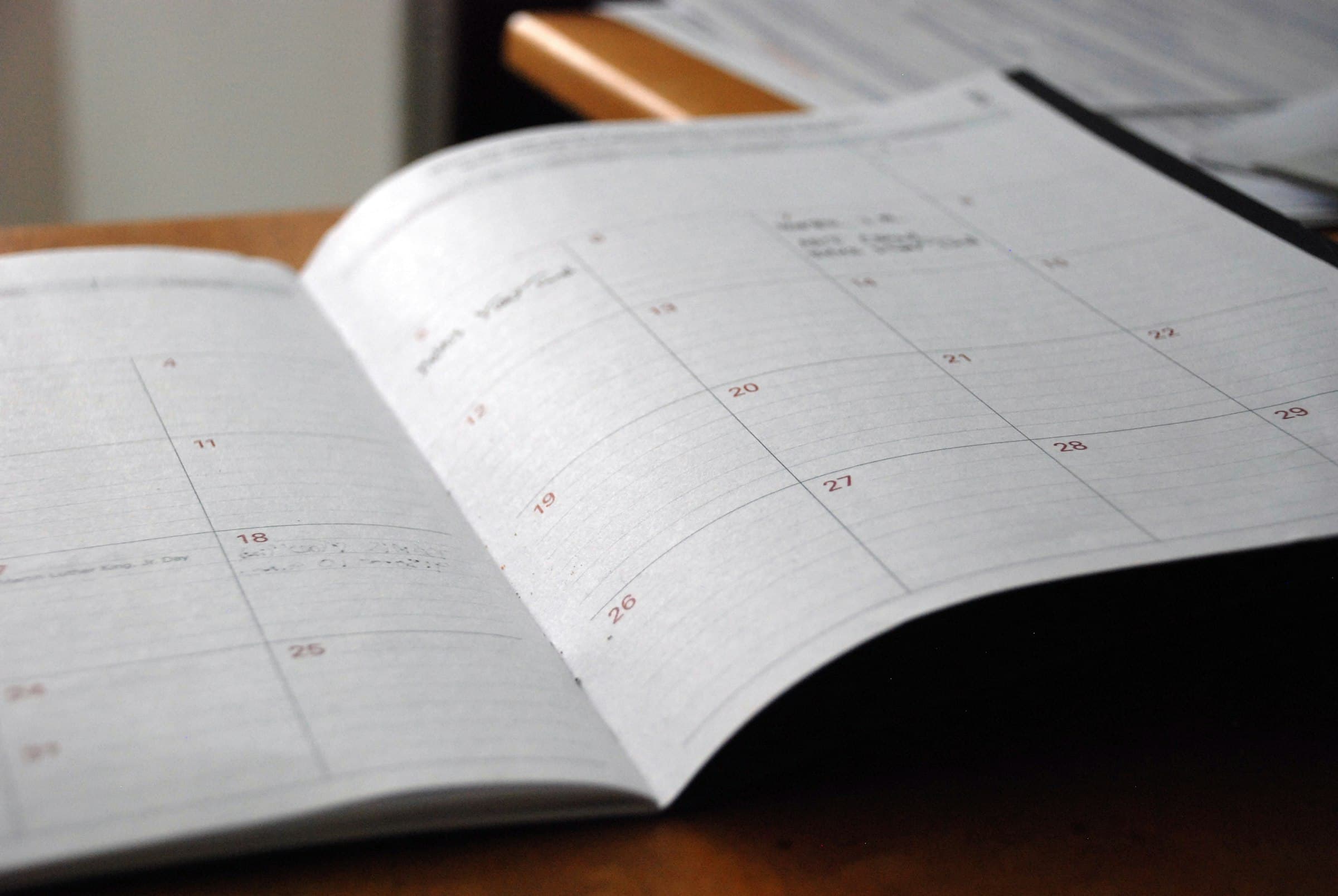
Good personal planning for 2027 brings two things together: what you want to change and the right moment for each change. Choose a few priorities, define the next step for each one and use the timing of your chart to decide when to act. Astrology comes in as a decision tool, marking the months when each matter is favored.
"I want to change my life" fits in January. In March, you will need to know who to message, what to research and what to set aside.
Choose changes that fit in the same year
Moving to a new city, switching jobs, starting a course and committing to a relationship can all be legitimate wishes. The problem shows up when the plan asks for unlimited time and energy.
Choose up to three priorities and make the conflicts between them clear. A job with more travel can get in the way of an in-person course. Moving to a new city can bring you closer to family and farther from other opportunities.
Planning means choosing these trade-offs before your calendar chooses for you.
Four fields for each priority
| Field | Example |
|---|---|
| What I want | A job with more autonomy |
| How I will recognize it | Role and decision-making power defined in the contract |
| What I need to prepare | Portfolio, conversations with companies and selection criteria |
| Next step | Pick three pieces of my work for the portfolio this week |
Notice that the example avoids goals that depend only on someone else, such as "get the position by March". You can wish for that result and plan the actions that are in your hands.
Separate preparing, deciding and acting
A move to a new city starts well before the moving truck. There is research, organization, negotiation and adjustment. The same goes for jobs and studies.
Split each priority into three moments:
- Prepare: gather information, money, contacts and documents
- Decide: choose among the options that came up
- Act: sign, move, start
This split is what makes timing useful. In the months of waiting, you prepare. When the favorable period opens, you already have what you need to decide and act.
Where the timing of your chart comes in
The KP method (Krishnamurti Paddhati) was created to answer when things happen. It reads the periods of your chart, called dashas, and points to the months when each matter is favored. For a plan, this is the piece that is usually missing: the order and the timing.
A simple way to put this together is to work with two columns for each priority:
| What depends on you | What the chart indicates for 2027 |
|---|---|
| Portfolio ready by February | New job favored from April to July |
| Savings for three months | Leaving the current job in a period of waiting |
The first column records offers, deadlines and conditions. The second records the period the method indicates. You decide by looking at both.
In the example, the practical reading would be clear: prepare at the start of the year, look for the new job from April on and close the offer before leaving the current one.
When a matter shows up without a favorable period
Sometimes the chart does not show a favorable period for a theme in 2027. That changes the plan's strategy. Use the year to prepare the ground, without forcing the decision, and note when the next period begins.
If the answer comes as "no conclusion", see how to read an answer with no conclusion.
Use the 2027 Report as a map of the year
To see what your chart indicates, create your free reading. Vedik's 2027 Report, available only in Portuguese, organizes nine themes across the 12 months: money, new job, business, romance, commitment, property, moving to a new city, living abroad and studies.
Each chapter opens with a short answer, such as "THE CHART SHOWS A PATH.", "THE CHART DOES NOT SHOW A PATH." or "A YEAR OF WAITING.", and includes the strip of the year, month by month: favorable, wait or no conclusion.
The report comes ready, built from your birth data, and you choose the chapters tied to your priorities. It is a one-time purchase, with no subscription.
Schedule reviews, and not just goals
Choose three or four dates in the year to review the plan. Ask yourself:
- Does the goal still make sense?
- What has changed since the last review?
- Is the difficulty in the plan, in the deadline or in something you found out you no longer want?
A review can keep the direction and change the form. It can also close a goal that has lost its meaning. Write down the reason for each change. In December, you will compare the plan with a year full of new information.
The plan is yours, and the last word is always yours. The chart helps you choose the moment.
One page to start
- Write up to three priorities for 2027.
- For each one, note one essential condition and the next step.
- Mark the favorable months for each theme in your calendar.
- Set the review dates.
If a priority has no possible next step, maybe it is still a question. To decide under pressure, also read how to make difficult decisions.
Create your free reading and see what your chart indicates for each matter.