Intelligence for the cycles of life.
Articles on cycles, decisions and how to understand your chart better.

Kundli explained: how to understand your Vedic chart
Kundli, Kundali and Janam Kundli are names for the birth chart in Vedic astrology. See what each part shows and how to start reading yours.

Daily Vedic horoscope: should I read it by Sun sign or Moon sign?
Many daily Vedic horoscopes use the Moon sign, not the Sun sign. See how to know which sign to use and what separates a sign forecast from a reading of your chart.

My dasha has different dates on two sites. What should I check?
When two tools show different dates for your period, the cause is usually the period level, the start or end of the table, the data or the settings.
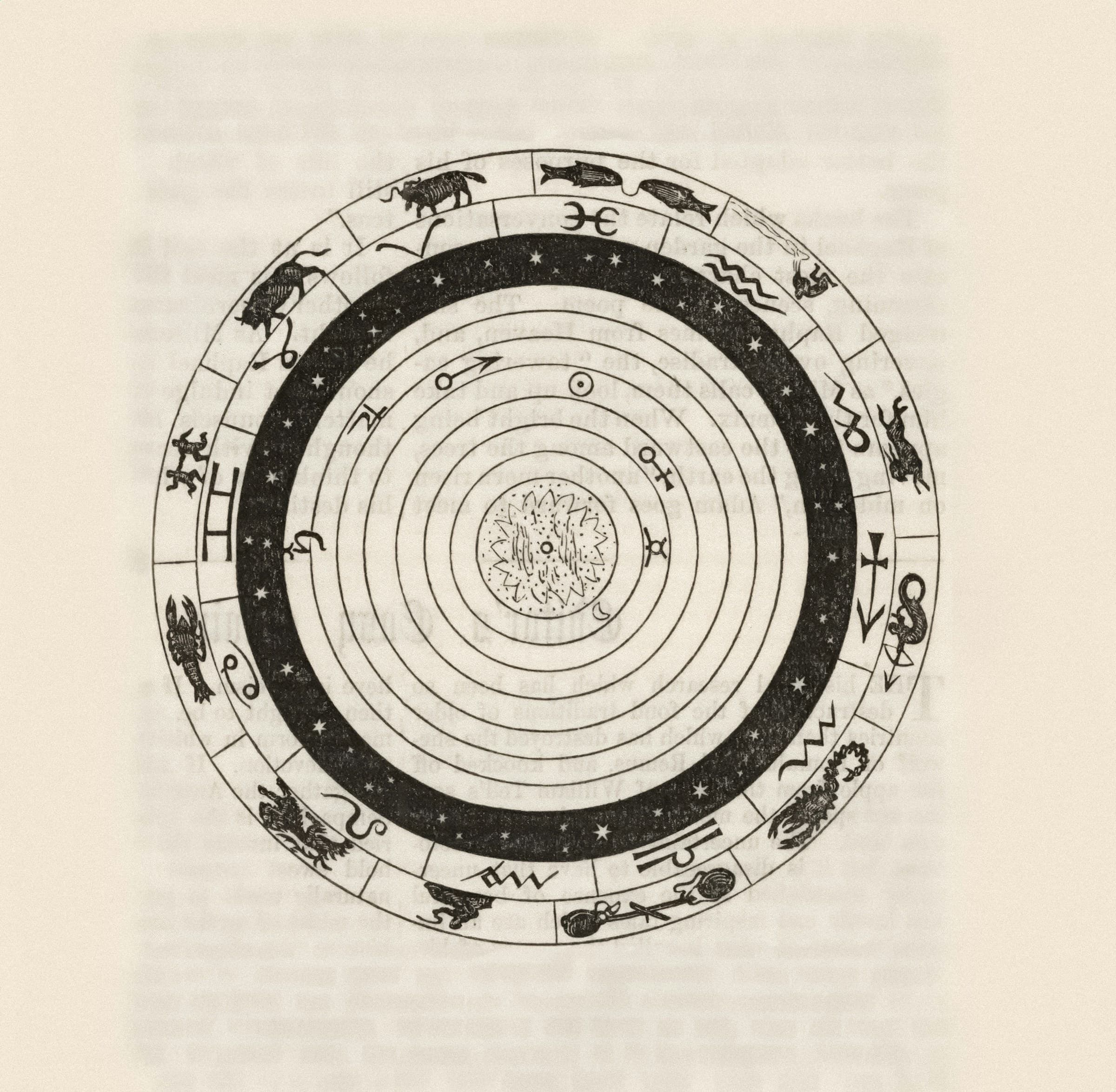
History of astrology: how it all began
Astrology was born in Mesopotamia as a reading of the sky for the king. The chart of an individual came centuries later and traveled from Egypt to India, to Baghdad, to Europe and to the newspaper.
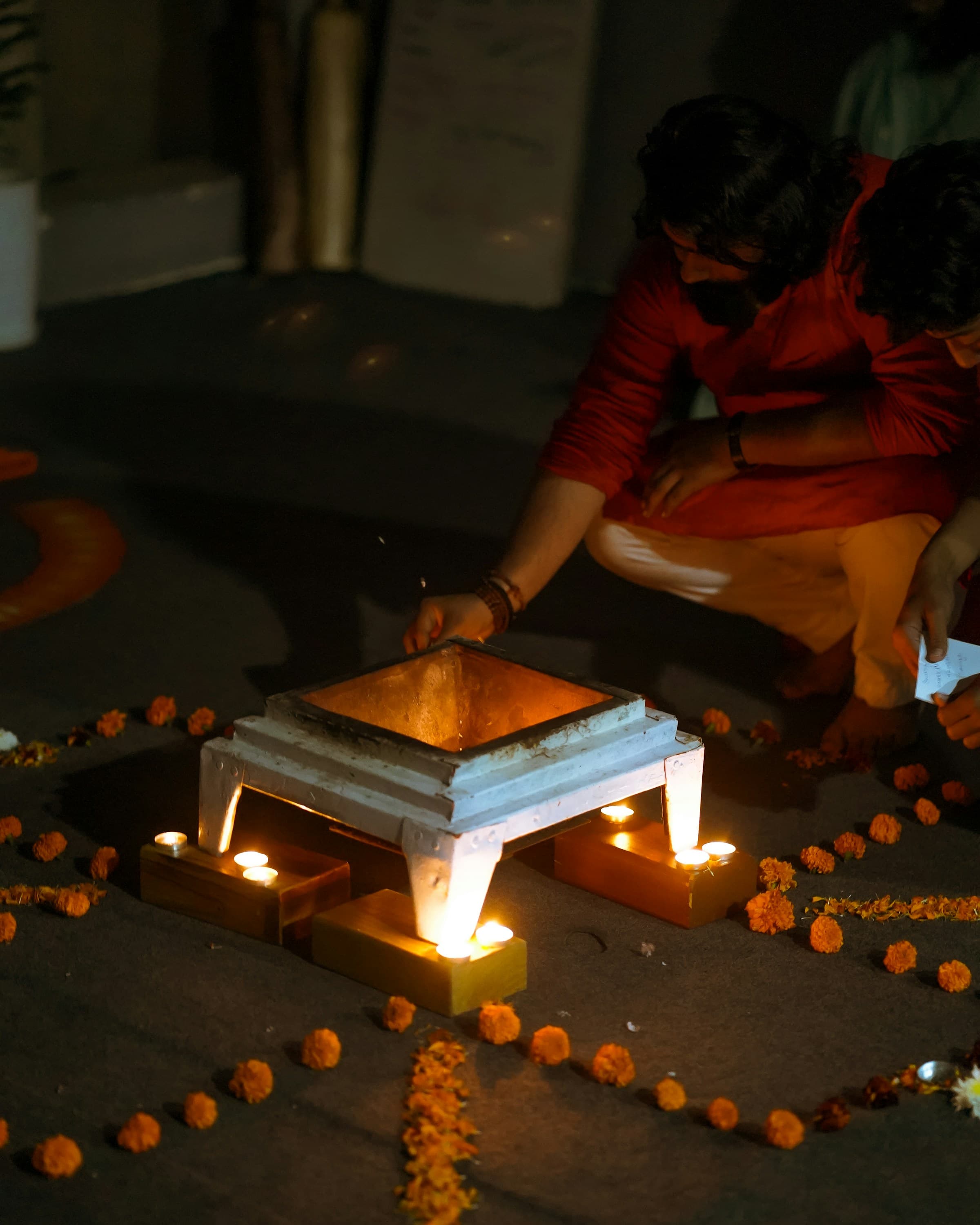
What the Vedas are and where Vedic astrology came from
The Vedas are the oldest texts of India. Vedic astrology was born alongside them as a way to keep time, and the chart with signs and houses came centuries later.

Starting over at 30, 40 or 50: how to plan it
You can start over at any age. See how to name your fresh start, make use of your experience and plan the transition in stages.

I want to change my life: where do I start?
Start with one part of your life you can describe in a single sentence. See how to pick the priority, test the idea and build a plan that fits on one sheet of paper.

What an astrological prediction says about a phase of life
A phase reading shows which matters gain strength and when each one tends to move. See how to read it and use it as a calendar.

Change careers or change jobs? How to tell which is your case
See whether the discomfort lies in the company, the role, the routine or the profession, and why leaving, starting, moving up and earning more are four different decisions.

My life feels stuck: what to look at before changing everything
When life feels stuck, start by asking which part of it. See how to take a snapshot of three areas and choose a move that brings you information.

Is it possible to predict the future? The four types of answer
Trend, scenario, calendar and event prediction talk about the future in different ways. Learn which one to ask for in each decision.
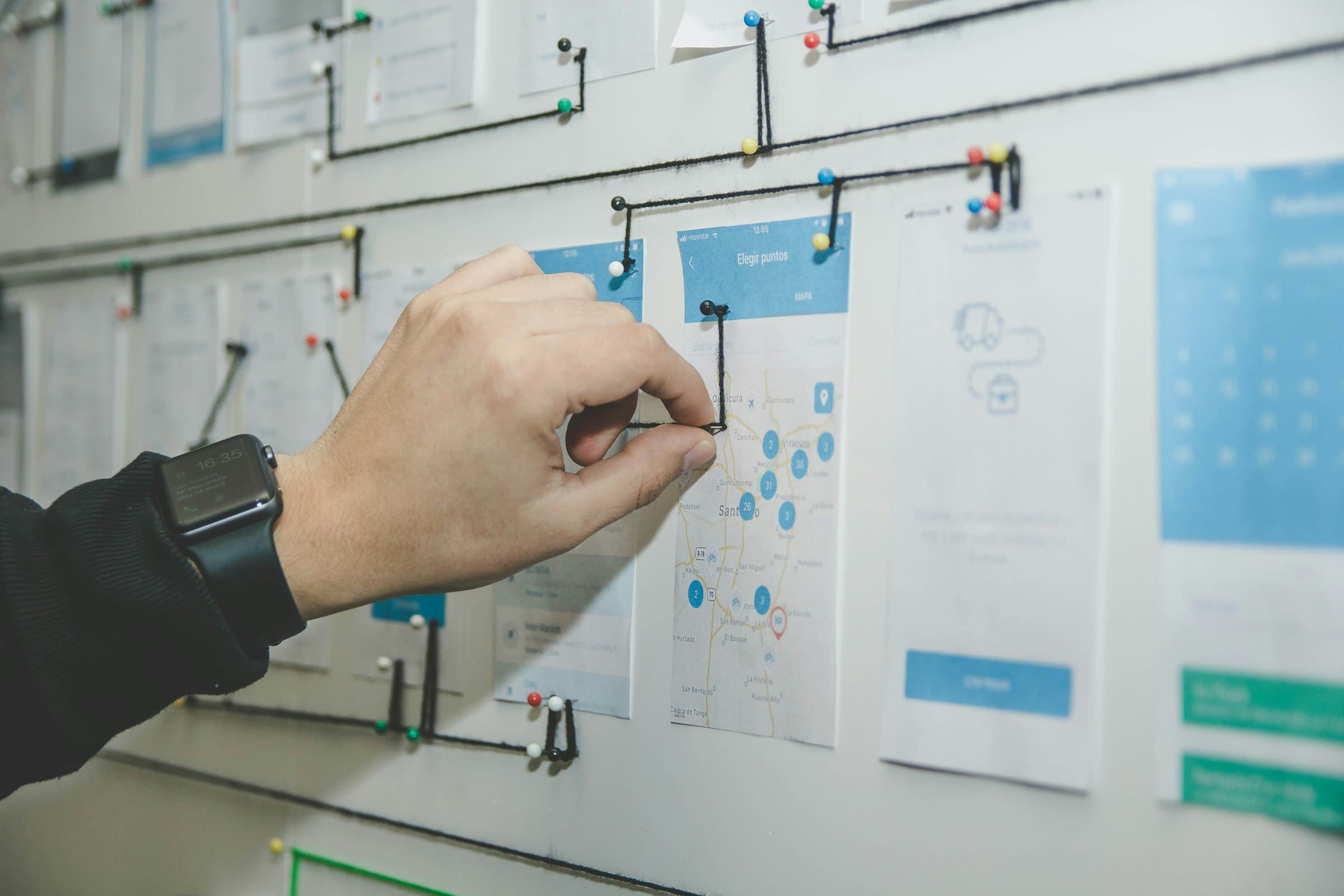
How to use an astrological prediction in personal planning
A prediction goes into the plan as a calendar: it shows when each subject tends to move. See how to fit the answers into your year.

How to know if you're on the right path in life
Three questions and an exercise with your calendar from the last three months to find out whether the direction of your life still makes sense.

How to know what you want from life when nothing is clear
An inventory of situations, small tests and the difference between the name of a goal and its routine. A practical way to find out what you want.

Can ChatGPT predict my future? Scenarios and chart calculation
ChatGPT writes scenarios from what you tell it. Vedik calculates your chart using the KP method. See how to use each one in a decision.

Act or wait: how to know if it's the right moment
Ask what the wait will bring. See how to tell a deadline from self-pressure, give the wait a purpose and compare the cost of staying with the cost of going.
Vimshottari Dasha: how to calculate the balance at birth
The math of the first Vimshottari period, with Krishnamurti's own example: Moon at 16° Taurus, a balance of 5 years and 6 months.

Transits in Vedic astrology: how KP reads Gochara
Gochara is today's sky read against your chart. In KP, the transit marks the moment of what the planetary period already promises.

Moon sign in Vedic astrology: what Rashi is and where it carries weight
Rashi is the Moon's sign in the sidereal zodiac. See how the sign, star and pada are worked out, and where the Moon carries weight in KP: in the calendar and in the rulers of the moment.
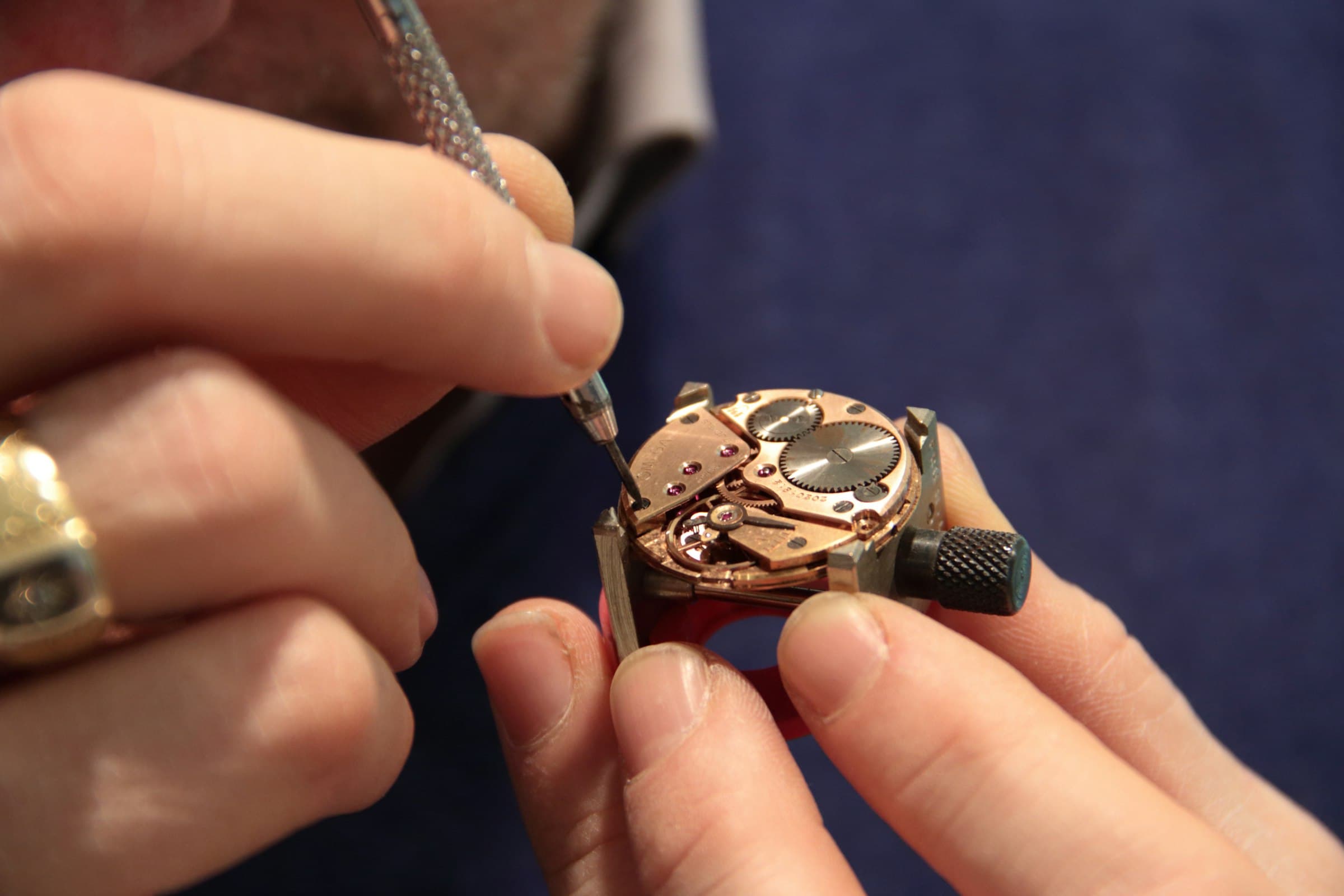
Birth time rectification: how KP does it
When the time is uncertain, Krishnamurti found the ascendant through the Ruling Planets of the moment of the consultation. See the method and the examples from the book.

Retrograde planet in the birth chart: what KP says about the R
The R marks a planet that seemed to move backward when you were born. In the birth chart, KP sees no loss of strength. The rule applies in horary.

Dasha Sandhi: what happens when the period changes
Dasha Sandhi is the junction between two major Vimshottari periods. See what Krishnamurti observed in the cases and what changes when the ruler changes.

Cuspal sub-lord in KP: what it decides in each house
In KP, the cuspal sub-lord indicates whether the matters of a house come to pass. See the example of a cusp at 2° Aries and a case from Krishnamurti himself.
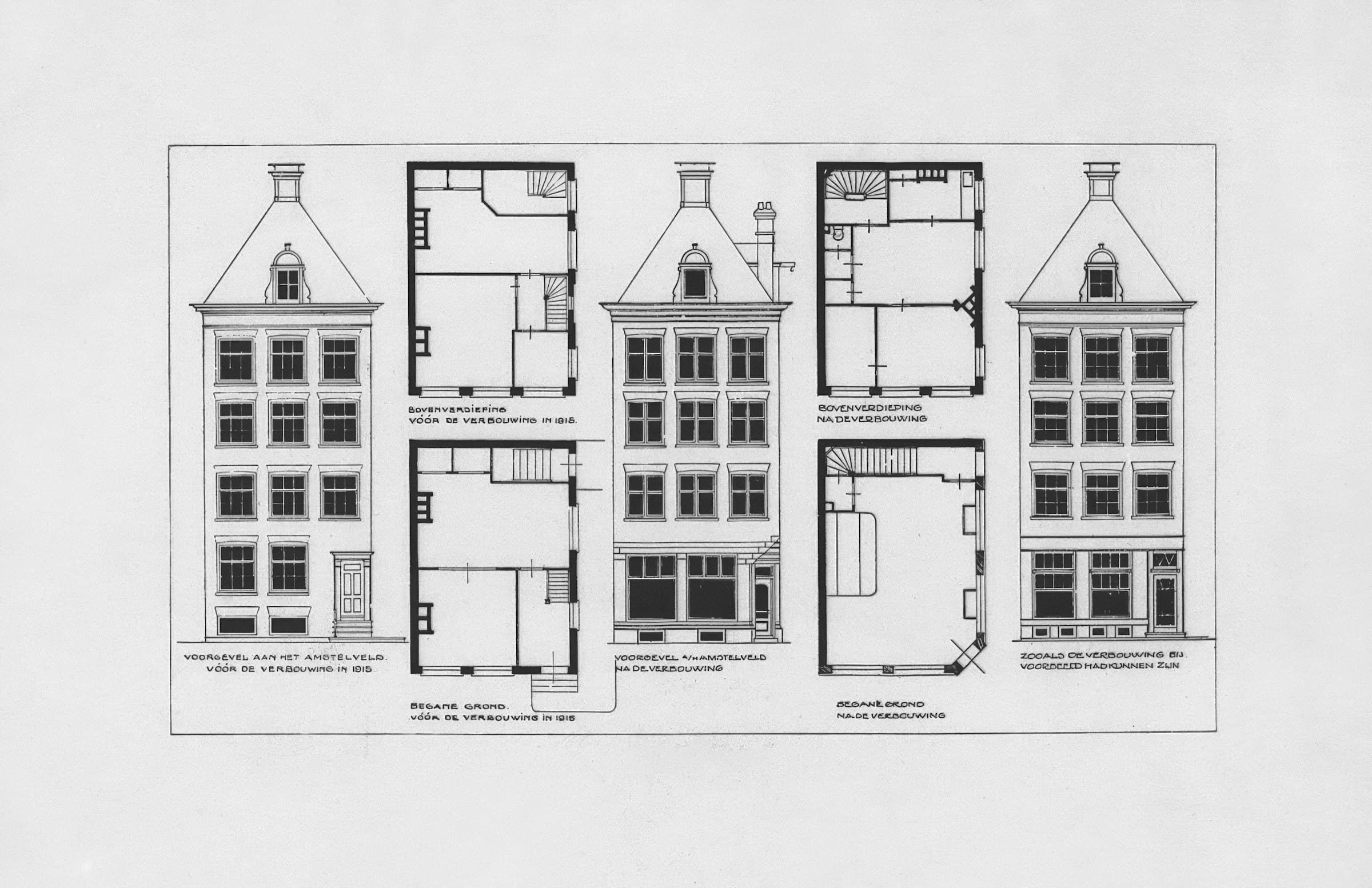
Houses and signs in KP: how Placidus divides the chart
Rashi is the sign and Bhava is the house. See why KP uses Placidus, with Krishnamurti's own example redone in the Swiss Ephemeris.

Astrology for partnerships: what KP reads in a business partnership
In KP, a business partner is a 7th house matter, and the business is read through houses 2, 7 and 10. See what the chart shows about the timing of starting a partnership.

Astrology and job promotion: what KP reads in your period
In KP, a promotion is read through houses 2, 6, 10 and 11. See how the method separates moving up in your role from changing companies and how to ask the question.

Living outside Brazil: what KP reads in your chart
In KP, living abroad is a matter for houses 9 and 12, and the reason for going adds others. See how the method reads study, work and residence abroad.

Do twins have the same chart? The question that created the KP sub
In twins, the planets sit at the same degrees and the cusps move several degrees in minutes. It was while researching twins that Krishnamurti created the sub.
Astrology and civil service exams: the exam, the ranking and the appointment
In KP, a civil service exam is three questions with their own houses: the exam through houses 4, 9 and 11, the ranking through 6 and 11, the appointment through 2, 6 and 10.

Buying or selling property: what KP astrology reads in each case
In KP, buying property is read through houses 4, 11 and 12, and selling through houses 3, 5 and 10. See the logic of each one and how to ask.

Sub-lord in KP: how to calculate it, with an example
KP divides each nakshatra into nine subs of different sizes. See the calculation, the full table, the Ashwini example and where the numbers 243 and 249 come from.

Vedic synastry: compatibility and the timing of a relationship
Being a good match and being at the moment to build together are different questions. See how the Vedic reading and KP answer each one.

Sade Sati: what it is and what Krishnamurti said about it
Sade Sati is Saturn's transit around the natal Moon, lasting about seven and a half years. The creator of KP called its reputation as a period of bad luck incorrect.
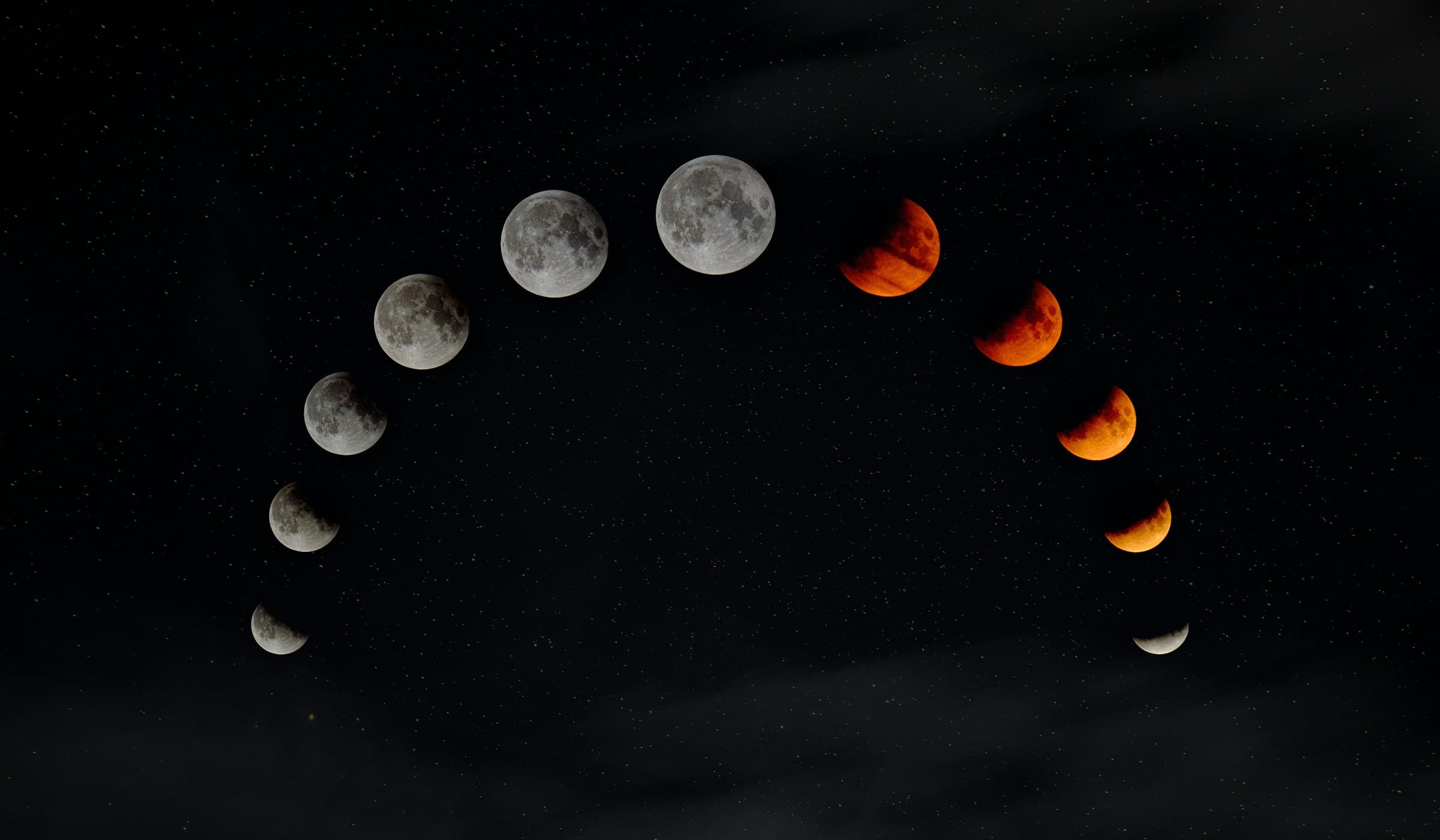
Rahu and Ketu: what the lunar nodes are and how KP reads them
Rahu and Ketu are the lunar nodes. In the KP method, they act as agents of other planets and deliver those planets' results with more strength.

When will I get married? How KP reads the timing of commitment
In KP, marriage has its own houses and its own period. See what the method looks at and how to read the answer in month and year.

Inconclusive forecast: what this answer means
Inconclusive means the calculation didn't reach an answer for the subject or for the period. See how it differs from a year of waiting and from "the chart shows no path".

Why do astrological predictions differ?
Zodiac, ayanamsa, houses, lunar nodes and school change the result before interpretation. See each layer and the choice Vedik made.
Personal planning for 2027: priorities and the moment to act
Choose a few priorities, define the next step and use the timing of your chart to decide when to act on each one in 2027.

What to ask predictive astrology: examples of clear questions
One event per question, about you, with the period that matters. See examples for work, love and relocation, and how to ask about another person.

I don't know my birth time: what should I do?
Where to look for the time, why it carries so much weight in KP, and what to do if you can't find it. Vedik asks for the time and handles the time zone and daylight saving time for you.
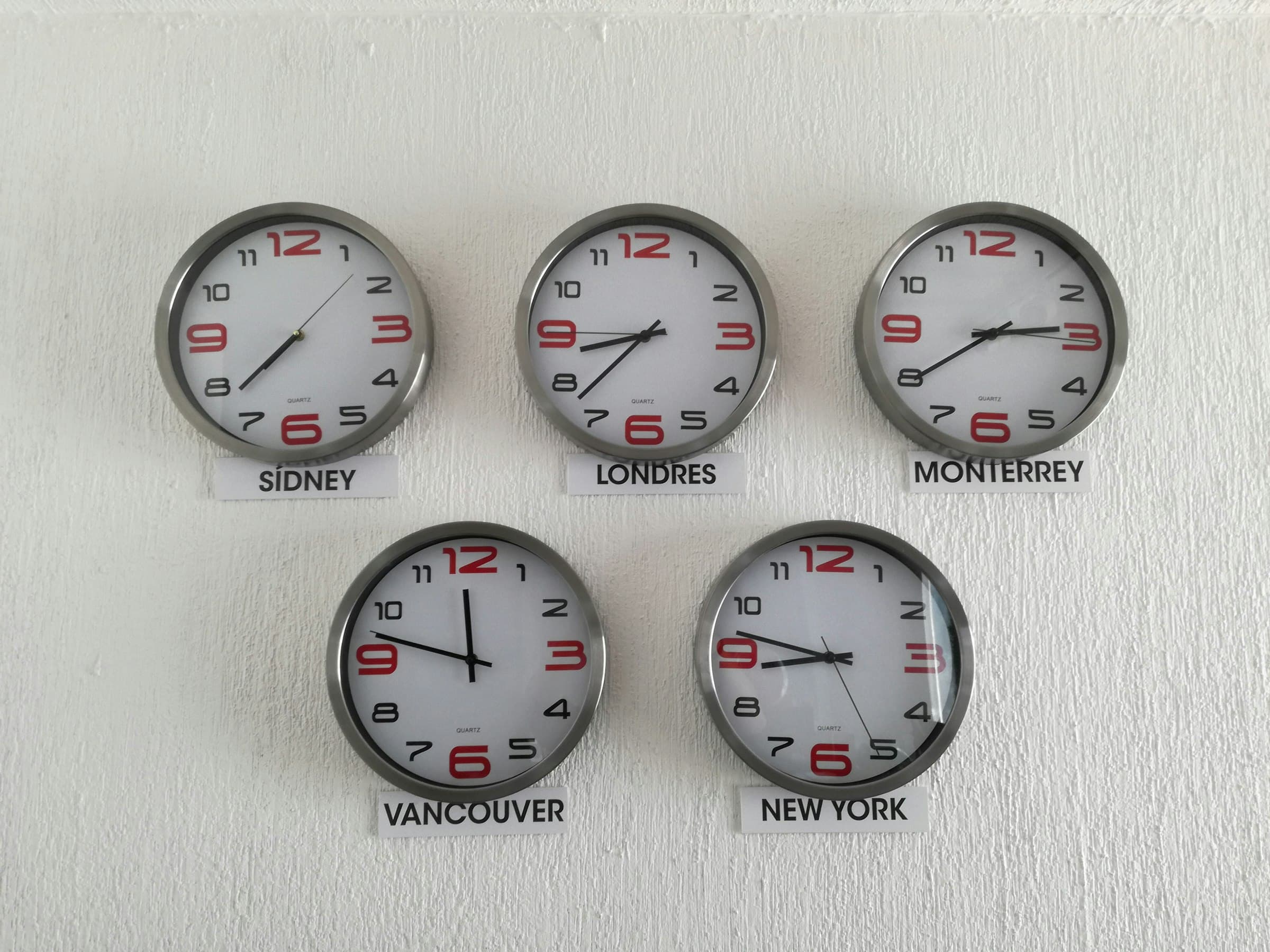
Daylight saving time and time zones in the birth chart: how the calculation gets the time right
The time on your birth certificate is local. See why the time zone and daylight saving rules of the period change the chart and how Vedik converts it automatically.

How to track an astrological prediction and see if it happened
Write down the prediction and the period before it arrives, and compare afterward. Vedik's Diary keeps that record for you.
Empty houses in Vedic astrology: how KP reads them
A house with no planet keeps working. In KP, it speaks through its owner and through the planets in the owner's star. See the order of significators and an example.
Ayanamsa: Lahiri and Krishnamurti, what changes in the chart
The ayanamsa links the tropical zodiac to the sidereal one. See the difference between Lahiri and Krishnamurti, how much it changes in the chart and why it matters in KP.
Vocational astrology: the profile and the timing of each career step
The chart shows how you tend to work. The KP method shows when each career move has an open path.
Predictive astrology: the methods that read the future
Birth chart, dashas, transits, Prashna and KP answer different questions about what lies ahead. See which one fits yours and how KP answers "when".

When to move to another city? What KP reads in the timing of a move
In the KP method, moving to another city has its own houses and its own period. See how to read the timing and test the routine in the new place.

Astrology and free will: you are the one who decides
A prediction shows what the method indicates for a period. The decision about what to do is still yours. See how to use the prediction to decide.

Should I accept a job offer? The offer and the timing
Accepting an offer calls for two analyses: one of the position and one of the timing. See how the KP method reads starting a new job.
5 KP method predictions with an exact date
Between 1964 and 1968, K.S. Krishnamurti named the day, month and year of events that had not happened yet. Five cases, with the confirmation letter and the book page where each one appears.

Do billionaires use astrology? What is myth and what history actually documents
The viral line attributed to J.P. Morgan has no record behind it. The story behind it, from Wall Street to the Reagan White House to venture capital in 2025, is better documented and more interesting.
How close can you get to predicting the exact day? The limits of Vedic precision
The Vimshottari system divides into finer and finer levels, from years down to hours. The deeper you go, the more precise it gets, and the more fragile it becomes in the face of any inaccuracy in the birth time.

Convergence in KP: when dasha, transit and ruling planets agree
How KP crosses the period, the ruling planets of the moment and the transit to reach a date, and how Vedik turns that agreement into an answer.
Mercury retrograde in Vedic astrology and in the KP method
Retrogradation is an astronomical phenomenon, with the same date in any system. In the KP method, it does not change the birth chart and carries weight in the reading of the moment of the question.
Significators: how KP decides who "owns" each area of your life
Career, relationships, health: each area of the chart has planets responsible for it. KP organizes that responsibility into a four-level hierarchy, from strongest to weakest.
Ruling Planets in KP: the five rulers of the moment
The five planets that govern a moment in KP, the rule of the day that begins at sunrise, and how they help date an event.

Prashna in KP: how horary astrology answers a question
How KP Prashna turns a question into a chart, where the numbers from 1 to 249 come from, and what Vedik uses from the moment of the question.

Bhukti and Antardasha: why the same phase changes its tone
Inside each major phase run nine sub-periods, the Bhuktis. See the math, the nine Bhuktis of Saturn and Krishnamurti's own example.

K. S. Krishnamurti: who created KP astrology
Every path in KP astrology leads to one name: K. S. Krishnamurti. Learn about the life and legacy of the astrologer who created the Sub Lord.

Saturn phase in life: what it is and how long it lasts
The Saturn phase lasts 19 years in Vimshottari, and the Saturn sub-period lasts from months to three years. See the math and how to find your phase.

Is a birth chart made with artificial intelligence reliable?
At Vedik, its own engine calculates the chart and the AI writes the conversation on top of that calculation. See how to separate calculation, method and answer in any service.

When will I find true love?
The chart doesn't give a name or an exact date, and stay away from anyone who promises that. But it shows the periods when your love life is more open and the pattern you tend to attract, which changes your odds a lot.

Why does it feel like everything goes wrong at the same time?
When problems pile up, one area drags the other down. See how to separate what is happening, choose the next step and where to find support now.

How to make difficult decisions: the merit and the moment
Six steps for deciding when weighing pros and cons is not enough, including what almost every guide leaves out: the moment you are living.

What is the difference between a horoscope and a birth chart?
A horoscope talks about your sign, the same for millions of people. A birth chart starts from the exact day, time and place you were born, so it is yours alone.

How do I know whether to end the relationship or keep trying?
No chart decides this for you, and stay away from anyone who promises it will. But your chart shows the pattern of this relationship in your life and the phase you are going through, which helps you see things more calmly.

Free birth chart online: how to choose a site
What to compare before getting your free birth chart, and what Vedik's free reading delivers: profile, houses, planets and your cycles.

What is the ascendant in Vedic astrology and why does it matter so much?
If you only know your sign, you are probably seeing just a small part of your chart. In Vedic astrology (Jyotish), the ascendant is one of the most important elements for understanding personality, relationships, career and the cycles of life. The whole birth chart is structured from it. That is why two people with the same sign can have completely different lives.

What is the best month to change jobs?
According to Vedic astrology, there is no single favorable month for everyone. What exists are specific periods that vary according to the birth chart and the cycles each person is going through. Methods such as KP Astrology (Krishnamurti Paddhati) are known precisely for analyzing the time factor and identifying periods that can favor career changes, new opportunities and professional growth.
Saturn return: what it is, when it happens and how this cycle shapes your life
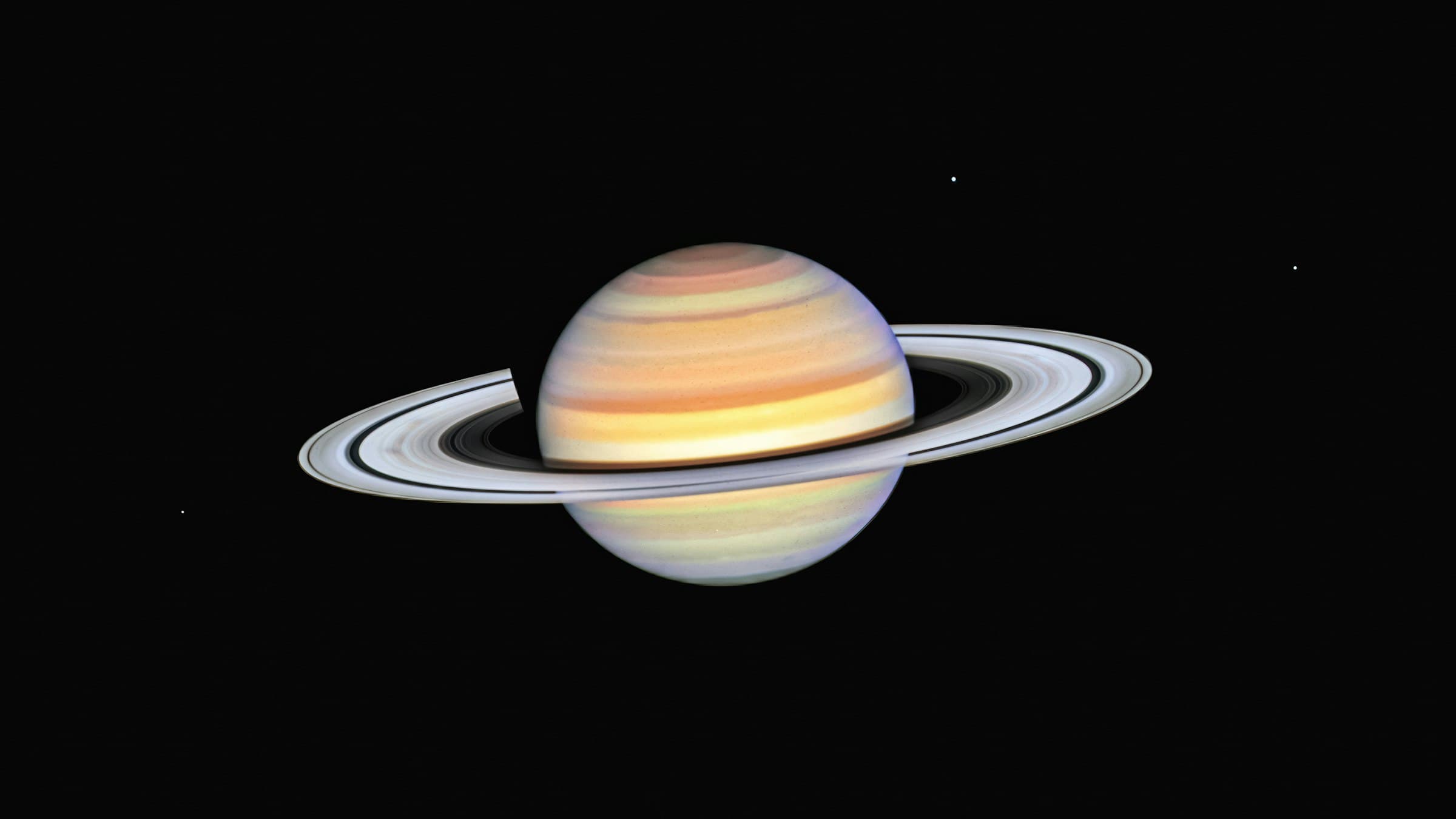
The Saturn return is when the planet Saturn comes back to the same point it occupied at your birth, around ages 29 to 30. It is a turning point, when life asks for more maturity and honest choices.

Vedic Astrology vs. Western Astrology: What Are the Differences?
Understand what sets Vedic astrology apart from Western astrology and where the KP method comes in, built to answer when things tend to happen.

KP Astrology: what the Krishnamurti Paddhati method is, explained in plain English
A guide to the KP method in plain English: where it came from, how sub-lords work, what it answers (and what it does not promise), and how Vedik applies it.

Vedic Birth Chart: How to Read and Interpret Your Chart
Understand how the Vedic birth chart works, what its main elements are and how to interpret signs, houses and planets.

Vedic Astrology: what it is, how it works and how to interpret the birth chart
Vedic astrology is an Indian system that interprets the birth chart based on the sidereal zodiac. It analyzes planets, houses and time cycles to identify life trends, patterns and the most active periods in different areas.