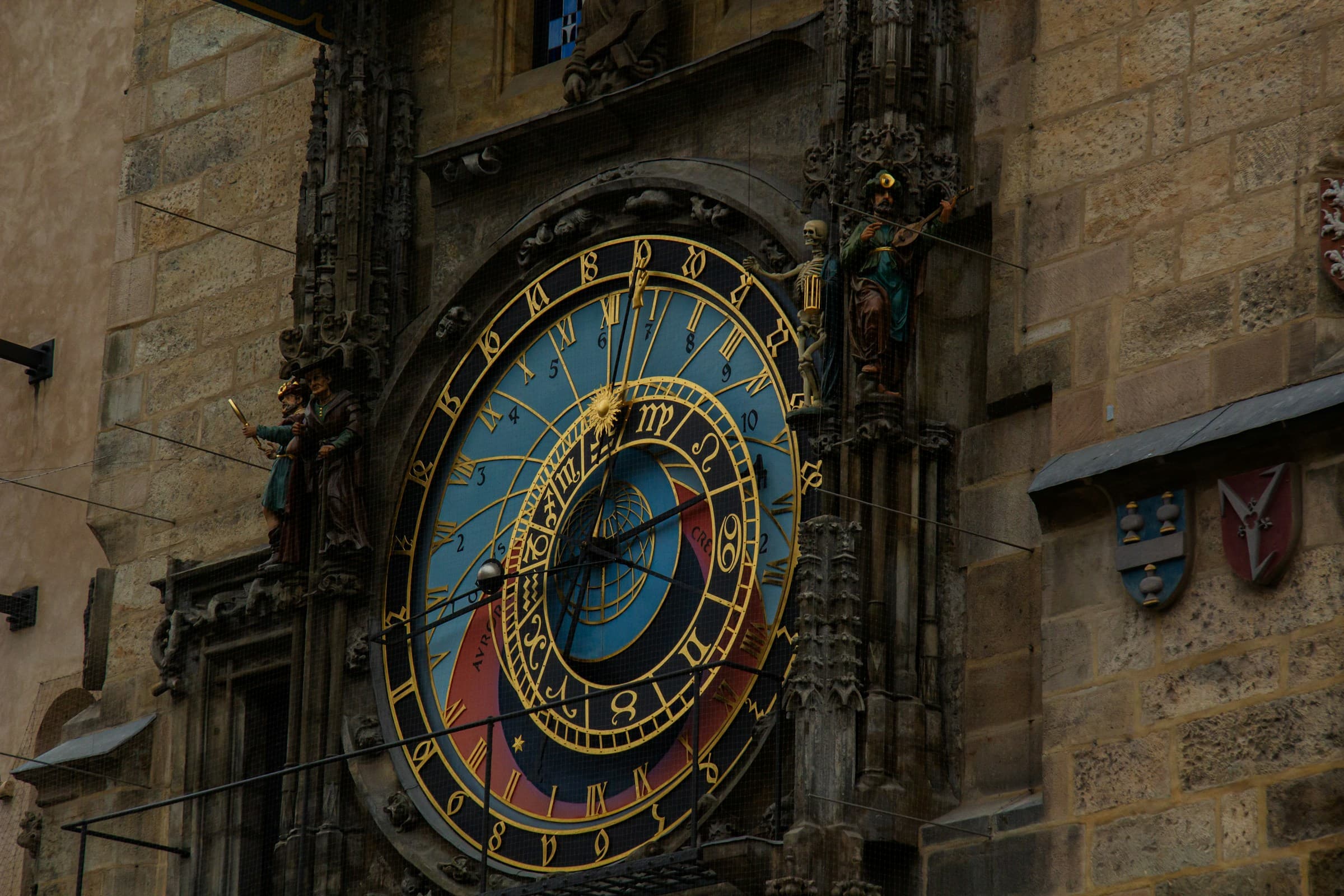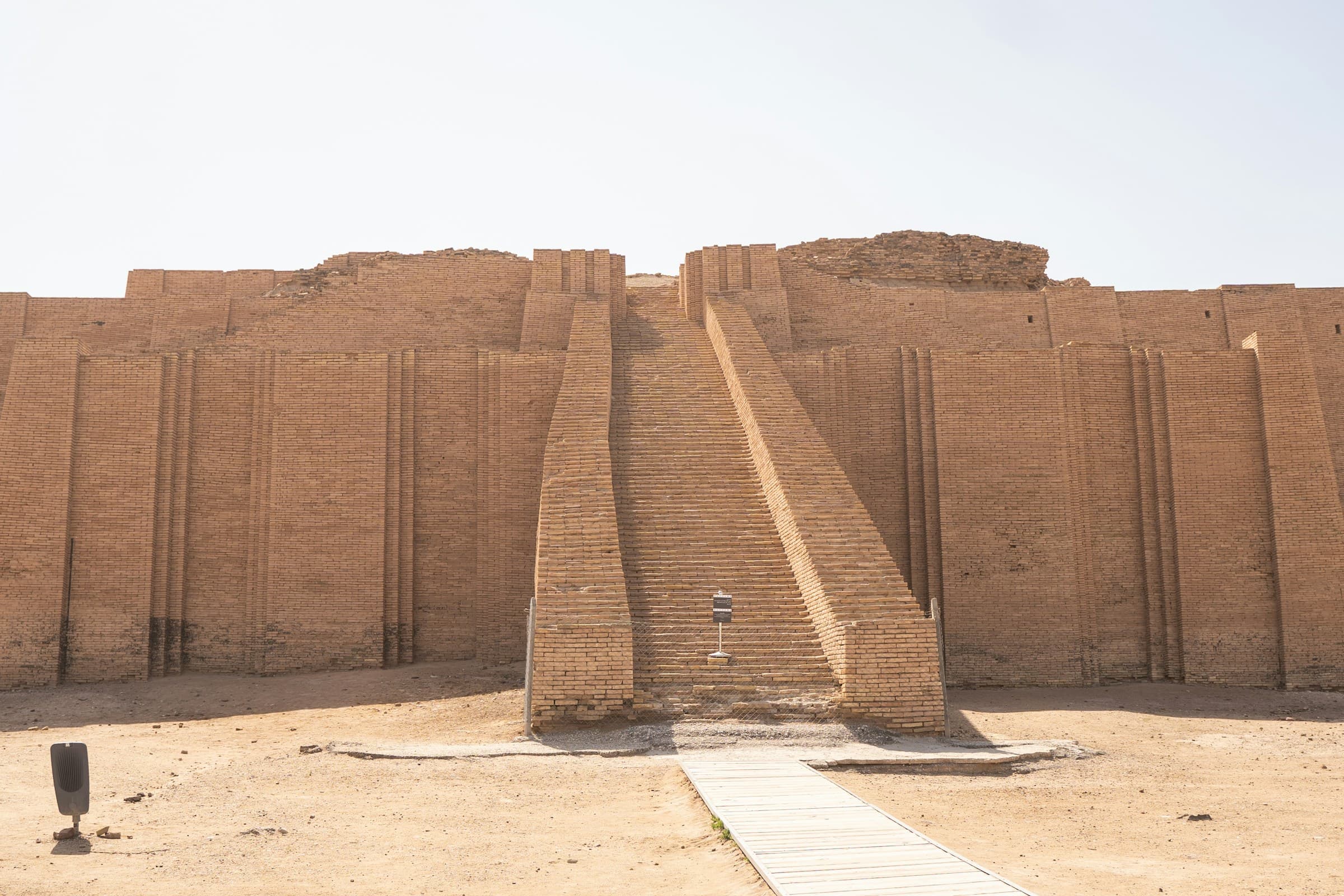
No single person created astrology. It emerged little by little in Mesopotamia, where the Babylonians were already organizing the reading of the sky around 1800 BC. Other peoples added parts: the birth chart with ascendant and houses was developed in Alexandria, in Egypt under Greek rule, between the 2nd and 1st centuries BC.
Who created each part
| What was created | Who and where | When |
|---|---|---|
| Organized reading of the sky | Babylonian priests, in Mesopotamia | Around 1800 BC |
| Large collection of omens (Enuma Anu Enlil) | Babylonian scribes | Up to the 16th century BC |
| Zodiac of 12 signs | Astronomers of Babylon | Refined after 539 BC |
| Horoscope of an individual | Babylon and Nippur | The oldest date from 410 BC |
| Ascendant and 12 houses | Astrologers of Alexandria | 2nd and 1st centuries BC |
| Basis of Western astrology (Tetrabiblos) | Claudius Ptolemy | 2nd century AD |
| Birth chart in Sanskrit (Yavanajataka) | Translation in India, with verse by Sphujidhvaja | 2nd century AD and 270 AD |
| Newspaper horoscope by sign | R. H. Naylor, in the Sunday Express | From 1930 |
| KP method | K. S. Krishnamurti, in India | 20th century |
And the legendary names?
Each tradition keeps its own founders, and they are part of the history.
The astrologers of Alexandria attributed the system to Hermes Trismegistus and to the teachings of the pharaoh Nechepso and the priest Petosiris.
In India, the tradition attributes the oldest text on time, the Vedanga Jyotisha, to the sage Lagadha, and the great classic of the chart, the Brihat Parashara Hora Shastra, to the sage Parashara. Historians date the current form of this classic between the 7th and 8th centuries AD.
Who created Vedic astrology
It has no single creator either. The root is Jyotisha, one of the six disciplines that support the Vedas, which set the dates of rituals. The birth chart came later and joined the lunar stars, which already existed in the Vedic texts. Researchers debate how much of the influence came from outside. See what the Vedas are and where Vedic astrology came from.
Where astrology began
In Mesopotamia, the region of present-day Iraq. The first organized texts looked at the king and the kingdom, not at ordinary people. Nobody made a chart for an individual until the 5th century BC.
For the full history, from Baghdad to Europe, read how it all began.
Who created the method Vedik uses
KP was created by K. S. Krishnamurti (1908-1972), in the south of India. He started from the Vedic base and created a finer division of the stars, the sub, to answer whether a subject happens and when. See who Krishnamurti was.
Vedik comes from this line. Its own engine calculates the position of the planets at the minute of your birth, and the KP method reads your periods. The last word is always yours.
Create your account and see your chart.
Reference works
- Francesca Rochberg. Babylonian Horoscopes. Philadelphia: American Philosophical Society, 1998.
- Francesca Rochberg. The Heavenly Writing: Divination, Horoscopy, and Astronomy in Mesopotamian Culture. Cambridge: Cambridge University Press, 2004.
- Nicholas Campion. A History of Western Astrology, volume 1: The Ancient and Classical Worlds. London: Continuum, 2008.
- David Pingree. The Yavanajātaka of Sphujidhvaja. Cambridge (USA): Harvard University Press, 1978.
The dates and attributions in this text follow what these authors and other researchers have published, gathered in reference encyclopedias.