Quick summary
- Vedic astrology is the traditional astrological system of India, also called Jyotish.
- It uses the sidereal zodiac (aligned with the fixed stars) and gives special weight to time cycles.
- Its focus goes beyond personality: it works with the phases of life and the timing of each area.
What Vedic astrology is
Vedic astrology is the traditional astrological system of India, with thousands of years of history. It is also known as Jyotish.
The central idea is simple: the position of the planets at the exact minute of your birth forms a chart, and that chart shows patterns and trends in your life. The difference from the astrology most people know lies in two points: the zodiac it uses and the weight it gives to time.
The main difference: the sidereal zodiac
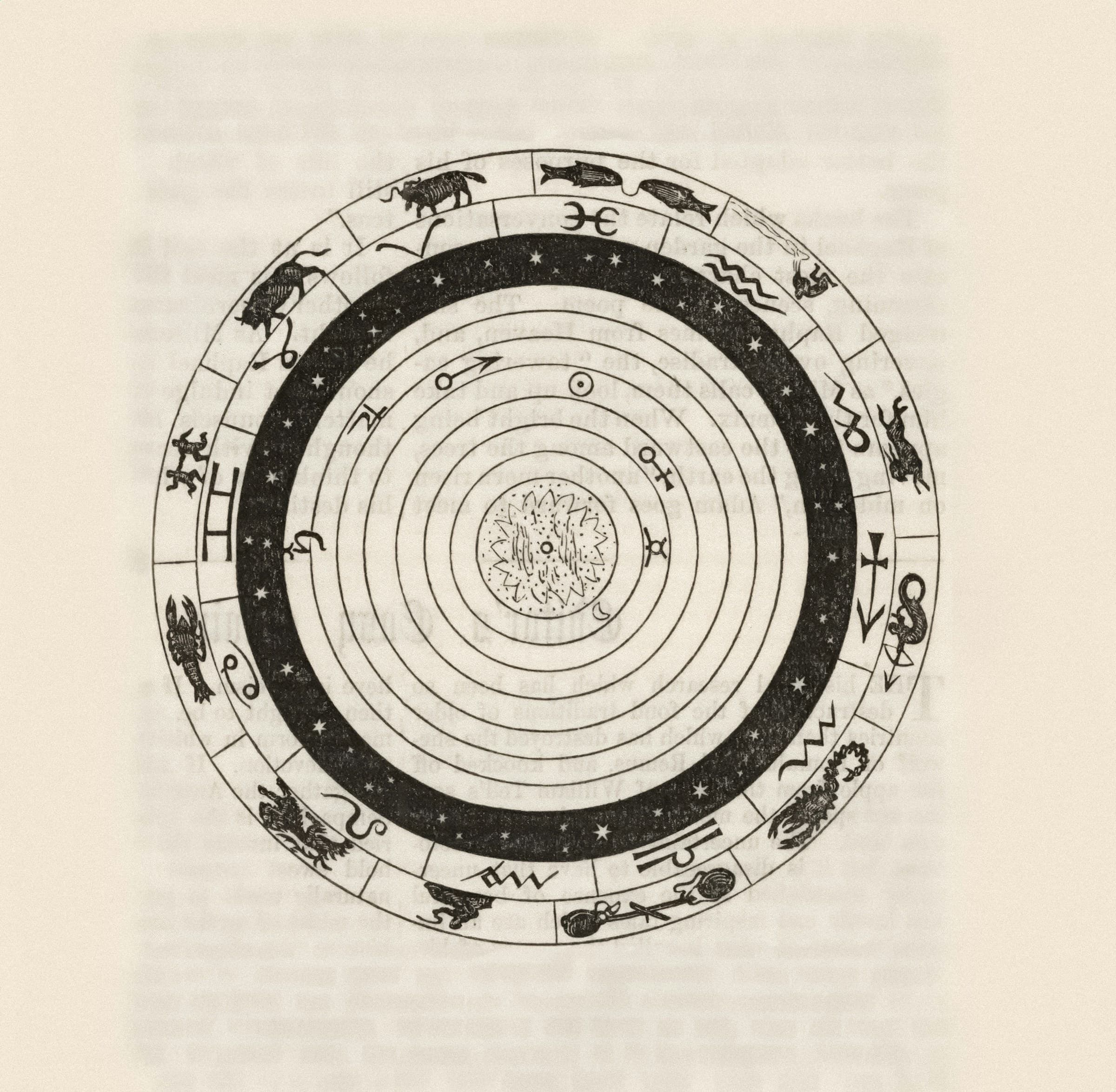
Western astrology (the one in newspaper horoscopes) uses the tropical zodiac, tied to the seasons of the year. Vedic astrology uses the sidereal zodiac, aligned with the fixed stars.
Because of a slow shift of the sky over the centuries, the two zodiacs are now about 24 degrees apart. The two systems measure the sky in different ways. The Vedic calculation uses the sidereal zodiac, aligned with the fixed stars. Vedik calculates your chart from your date, time and city of birth.
How it works: the four elements
A Vedic reading combines four elements:
- Planets: each one represents a force in life, such as communication, love, discipline or expansion.
- Signs: the backdrop that gives each planet its flavor.
- Houses: the areas of life, such as work, relationships, money, family and health. Each house looks after one theme.
- Dashas: the time cycles, the great distinguishing feature of the Indian tradition.
The first three describe the chart. The fourth, the dashas, is what sets the chart in motion over time.
The great distinguishing feature: time cycles (dashas)
Most astrology answers "what you are like". Vedic astrology also answers "what is active now".
Dashas are periods, from months to years, in which a different planet is in charge of your life. While a planet is in charge, it mainly delivers the results of the houses linked to the star it occupies in your chart. That explains why one phase is about intense work, another about an emotional upheaval, and another about withdrawal.
This map of time is what makes it possible to talk about the right moment: when a phase favors acting, when it calls for patience, when a cycle is turning. That is where the link between Vedic astrology and decision-making comes from.
What the Vedic birth chart is
The Vedic birth chart is a snapshot of the sky at the exact minute you were born. It shows where each planet was, which areas of life are in focus through the houses, and where you are in your time cycles.
That is why it is unique: it depends on the day, time and place of your birth. Two people born on the same day, at different times, have different charts.
What it is used for in practice
Vedic astrology is usually used to look at concrete areas of life:
- Relationships and the patterns that repeat in love.
- Career and professional direction.
- Financial life.
- Health and vitality.
- Phases of change and transition.
In all of them, it works with trends and cycles. It shows what the chart promises and in which period, and the decision is still yours.
Vedic astrology and life cycles
The dashas help you see in which period each area of the chart tends to produce results. Knowing this ahead of time gives you the chance to decide more calmly.
Vedic astrology and KP astrology
Within the Indian tradition there is a more modern branch focused on timing precision: KP astrology (Krishnamurti Paddhati). While classical Vedic astrology reads patterns and cycles broadly, KP was created to answer specific questions with more accuracy about timing.
That is why Vedik uses KP as its calculation engine: it provides the timing precision that a decision-focused reading needs.
How Vedik uses Vedic astrology
Vedik calculates your Vedic chart with its own engine and uses artificial intelligence to translate the result into a clear conversation tied to your moment. The focus stays on what your current phase favors: acting, waiting, adjusting. Less planetary theory, more application to your life. You create your chart for free and ask whatever you want in the chat.