What a Vedic birth chart is
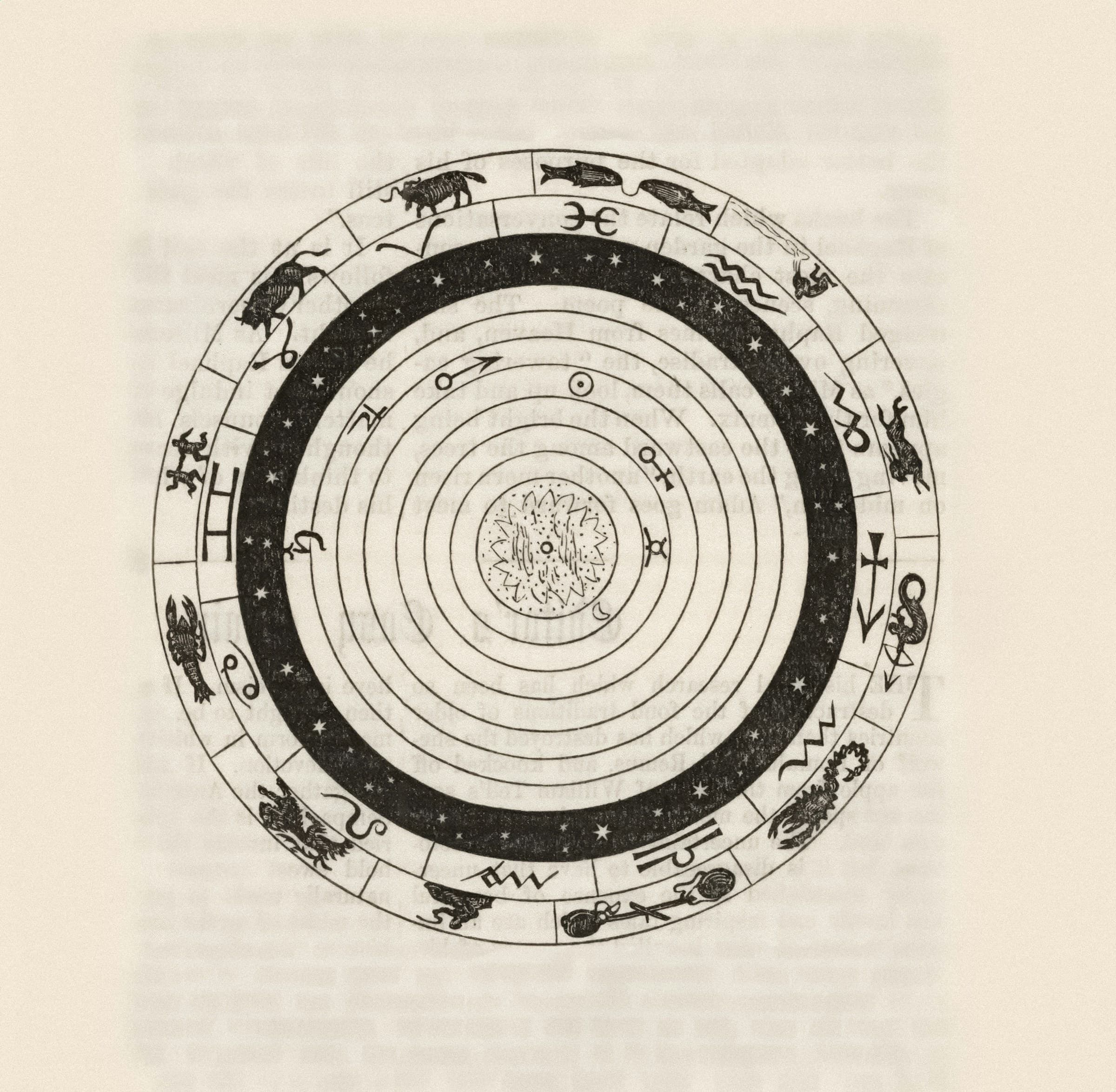
The Vedic birth chart is a representation of the position of the planets at the exact moment of birth.
In Vedic astrology, it works as a symbolic portrait of the sky and is used to analyze tendencies, behavioral patterns and life cycles.
The chart is calculated using the sidereal zodiac, unlike Western astrology, which uses the tropical zodiac.
How the Vedic birth chart is calculated
To generate a Vedic birth chart, three pieces of data are needed:
- date of birth
- time of birth
- city of birth
This information makes it possible to calculate the position of the planets and determine the complete structure of the chart.
The more precise the birth time, the more precise the interpretation.
The main elements of the Vedic birth chart
Every Vedic birth chart is made up of three central elements:
- signs
- planets
- houses
The combination of these factors forms the basis of astrological interpretation.
The meaning of the signs in the Vedic chart
The signs represent the way a force is expressed.
Each sign has its own characteristics and influences the way the planets show their results.
In Vedic astrology there are twelve signs:
- Aries (Mesha)
- Taurus (Vrishabha)
- Gemini (Mithuna)
- Cancer (Karka)
- Leo (Simha)
- Virgo (Kanya)
- Libra (Tula)
- Scorpio (Vrischika)
- Sagittarius (Dhanu)
- Capricorn (Makara)
- Aquarius (Kumbha)
- Pisces (Meena)
Although the signs are important, Vedic astrology also considers the position of the planets, the houses and the cycles of time for a more complete interpretation.
The meaning of the astrological houses
The houses represent different areas of life.
Each one is associated with specific themes that help explain how different experiences tend to show up.
Some examples include:
- identity and personality
- relationships
- career
- financial resources
- learning
- spirituality
The position of the planets within the houses influences which themes gain more prominence throughout life.
The role of the planets in Vedic astrology
The planets symbolize forces that act in different ways in each chart.
The main planets used in Vedic astrology are:
- Sun
- Moon
- Mars
- Mercury
- Jupiter
- Venus
- Saturn
Also considered are:
- Rahu
- Ketu
Each one has specific meanings and influences different areas of human experience.
What the ascendant is in the Vedic birth chart
The ascendant, known as Lagna, is one of the most important points in the chart.
It represents the sign that was rising on the horizon at the moment of birth.
The ascendant influences:
- the way the person presents themselves to the world
- their way of starting experiences
- their perception of reality
That is why it is considered the doorway to interpreting the chart.
How to interpret a Vedic birth chart
The interpretation does not depend on a single planet or sign in isolation.
An astrologer looks at:
- the position of the planets
- planetary strength
- the houses involved
- aspects
- cycles of time
It is the combination of these factors that produces a more complete analysis.
In Vedic astrology, understanding the overall context of the chart matters more than analyzing elements in isolation.
What is the difference between the Vedic and the Western birth chart
The main difference is in the calculation method.
- Vedic astrology uses the sidereal zodiac
- Western astrology uses the tropical zodiac
Vedik calculates your Vedic chart from your date, time and city of birth.
Beyond the difference in calculation, Vedic astrology places great importance on planetary cycles and the timing of events.
How to find your Vedic birth chart
To generate your chart, you need to provide:
- date of birth
- time of birth
- city of birth
With this data it is possible to calculate the position of the planets and start a more detailed interpretation.
Today, digital platforms make it possible to generate a complete Vedic birth chart in a few minutes.