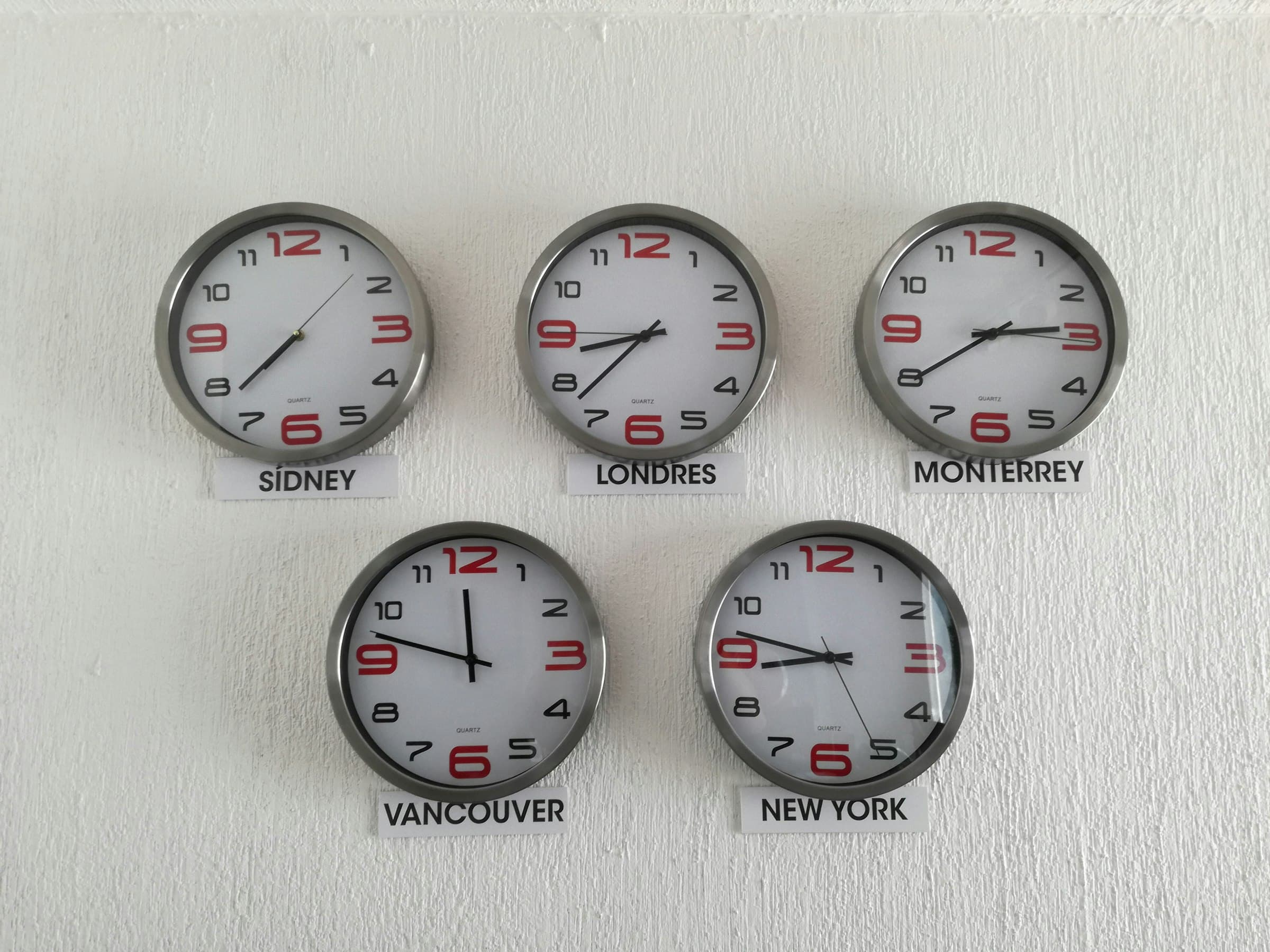
The time on your birth certificate is a local time. To calculate the position of the planets and the houses of the chart, that time needs to become a universal instant, and for that the calculation needs to know which time zone and which daylight saving rule applied on that day, in that city. At Vedik, this conversion is automatic and uses the history of each place.
Why one hour makes so much difference
The ascendant, the sign rising on the horizon at the moment of birth, moves about one degree every four minutes, on average. One hour of error shifts the ascendant by nearly 15 degrees and can change the whole sign. The cusps, the points that mark the start of each house, move with it.
In the KP method, the sensitivity is even greater. Each star of the zodiac is divided into nine unequal parts, the subs, and the ruler of the cusp's sub weighs on the reading of each topic. K. S. Krishnamurti arrived at this division by studying twins, who are born minutes apart and have different lives (KP Reader VI, Introduction). A method that tells twins apart calls for a time converted to the right minute.
Brazil changed its clocks a lot
Daylight saving time in Brazil was adopted in many years and ended in 2019. Each year had its own dates, and not every state took part. Some examples, checked against the IANA time zone database:
| Birth | Local time | Offset from universal time |
|---|---|---|
| São Paulo, January 1990 | 10 a.m. | UTC-2 (daylight saving time) |
| São Paulo, July 1990 | 10 a.m. | UTC-3 |
| São Paulo, December 2018 | 10 a.m. | UTC-2 (daylight saving time) |
| São Paulo, December 2019 | 10 a.m. | UTC-3 (no more daylight saving time) |
| Rio Branco, June 2010 | 10 a.m. | UTC-4 |
| Rio Branco, June 2015 | 10 a.m. | UTC-5 |
The same time, in the same city, can correspond to instants one hour apart. The state of Acre changed time zones in 2008 and went back to the old one in 2013. In January 2010, Recife was on UTC-3 while São Paulo was on UTC-2. Using today's time zone for an old birth is the most common route to a shifted chart.
How Vedik does the conversion
The conversion happens in three steps, without you having to do any math:
- You choose your city of birth, and the system takes its coordinates.
- From the coordinates, Vedik identifies the time zone of that place in the IANA database, the global reference for time zones, with the history of each region.
- The local time is converted to universal time with the rules of that day, including historical daylight saving time, to the exact minute.
If the service that identifies the time zone doesn't respond, the calculation approximates the time zone from the longitude and records that it used an approximation. After that, the engine calculates the position of the planets with the Swiss ephemeris, Krishnamurti's own ayanamsa and Placidus houses, as KP requires.
The time of birth is required at Vedik. Without it, there is no ascendant and no cusps, and the KP reading loses its foundation.
Don't correct the time before typing it
The most common mistake is subtracting an hour on your own because you were born during daylight saving time. Since the calculation already applies the rule, the manual subtraction makes the correction twice and the chart ends up representing a different instant.
Type the time exactly as it appears on the certificate and check the city. The engine handles the rest. If your question is about the time itself, the guide I don't know my birth time explains what to do.
When two charts don't match
If your chart somewhere else shows a different ascendant, check in this order:
- Are the time and city entered the same?
- Did both calculations convert the time with the same time zone and the same daylight saving rule?
- Do both use the same ayanamsa and the same house system?
Most differences show up in the first two questions. The third is the subject of the guide on ayanamsa. And to understand what changes when the ascendant changes, see what the ascendant is.
A chart starts with the right time, and Vedik takes care of that part for you. To see yours, calculated with your city's history, create your free reading.