If you don't know your birth time, first look for a written record: the birth certificate, the maternity ward papers or the hospital file. The time sets the ascendant and the houses, and in KP it sets the sub-lord of each cusp. It's worth the effort to find the time before making the chart.
Why the time carries so much weight
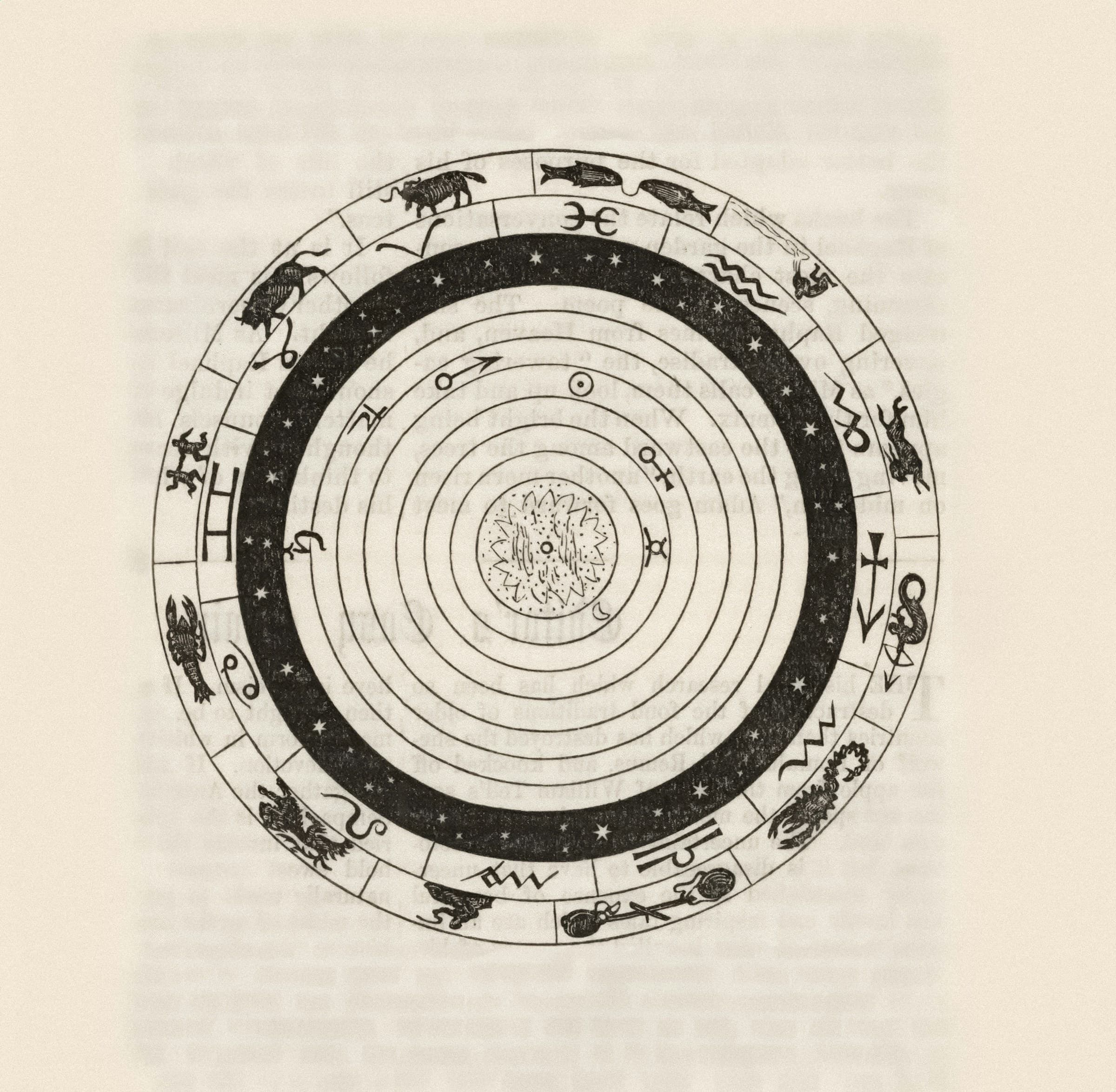
The ascendant is the sign that was rising on the eastern horizon at the minute you were born. Over the course of a day, all twelve signs pass through that point, about two hours each, on average. The twelve houses are counted from that point. Without the time, the houses have no address.
The Moon moves too. It crosses a nakshatra, one of the 27 stars of Vedic astrology, in about a day. Its position at birth sets the balance of the first dasha, the planetary period that opens your life (KP Reader I, p. 87). A difference of hours changes that balance, and with it the dates of all the periods that follow.
In KP the measure is even finer. Each nakshatra is divided into nine subs, and the smallest of them measures 40 minutes of arc. The ascendant crosses one of these subs in a few minutes of clock time. The cusp sub-lord is a central piece of the reading, so the time needs to be as close to the minute as possible.
Where to look
- Birth certificate. Check whether it shows the time. Certificates from different eras follow different formats.
- Maternity ward or hospital documents. The delivery record usually notes the time.
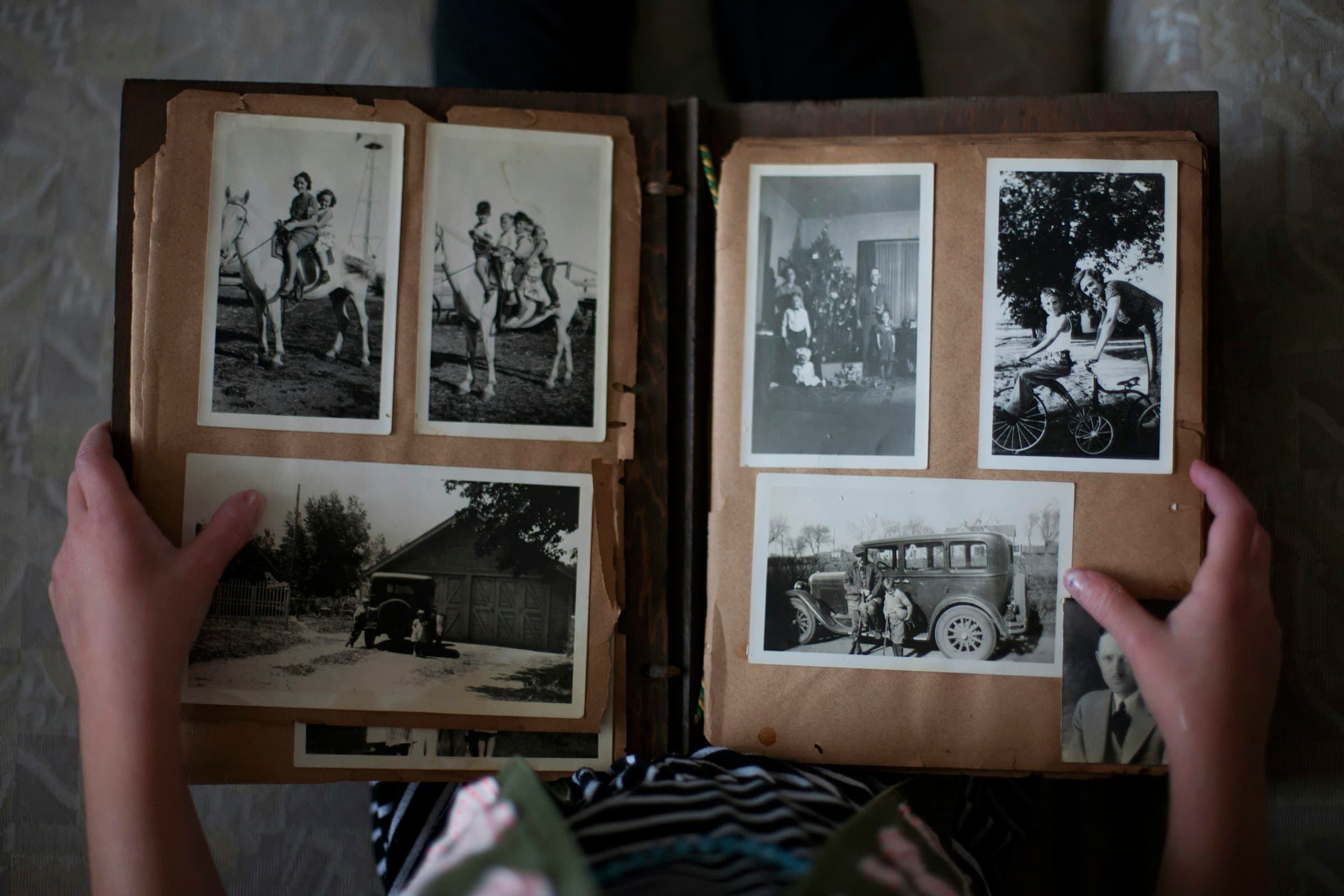
- Family papers. Baby book, photo album, letters, notes from people who were there.
- Family memory. It helps, and it's worth asking where that time came from.
Write down where the information came from. "My mother remembers it was in the morning" and "the hospital recorded 6:17 a.m." are pieces of information with different weights.
| What you have | How to use it |
|---|---|
| Time recorded in a document | Use it as is |
| Rounded time, like "8 o'clock on the dot" | Use it, knowing the cusp sub-lords may change |
| A range, like "between 8 and 9" | Keep looking before making the chart |
| No time at all | Don't make one up |
Can I put noon?
Noon gives a chart with the Moon almost in place and everything else from another time. The ascendant, the houses and the sub-lords come from a person born at noon, and the dates of the periods can shift. If the time is a guess, the whole reading inherits the guess.
How Vedik handles the time
At Vedik, the time is required to make a new chart. The form only moves forward with it filled in, and the 2027 Report also asks for the time.
You don't need to worry about time zones or daylight saving time. Just type the time that was on the clock and choose the city. Vedik finds the city's time zone from its coordinates and converts the local time to universal time, taking into account the daylight saving time in effect on that date, including old rules. The post on daylight saving time and time zones in the birth chart explains why this matters.
What about rectification?
Rectification is the technique of estimating the birth time when it's uncertain. Each school has its own approach.
K. S. Krishnamurti used the Ruling Planets, the rulers of the moment when the astrologer judges the question: the lord of the day, the sign and star of the Moon, and the sign and star of the ascendant (KP Reader VI, p. 138). He cast the chart for that moment and looked for the ascendant whose sign, star, sub and sub-sub agreed with those rulers. For him, this was the path for people who don't know their time. Reader III has an entire chapter on rectification. The post on Ruling Planets shows how these rulers work.
Vedik doesn't offer rectification. It's work for an astrologer experienced in KP. If you have a rectification done by a professional, use the time that comes out of it and keep a note of where it came from.
A quick checklist
- Look for the birth certificate and the hospital papers.
- Ask your family, and ask where the time they remember comes from.
- If you find a range, keep looking before making the chart.
- With the time in hand, type the clock time and the city. Vedik takes care of the time zone.
Once you have the time, create your free reading and see your cycles with the chart in the right place.